Neuse River, NC 
Select a photograph to view a photo gallery


Photo Gallery


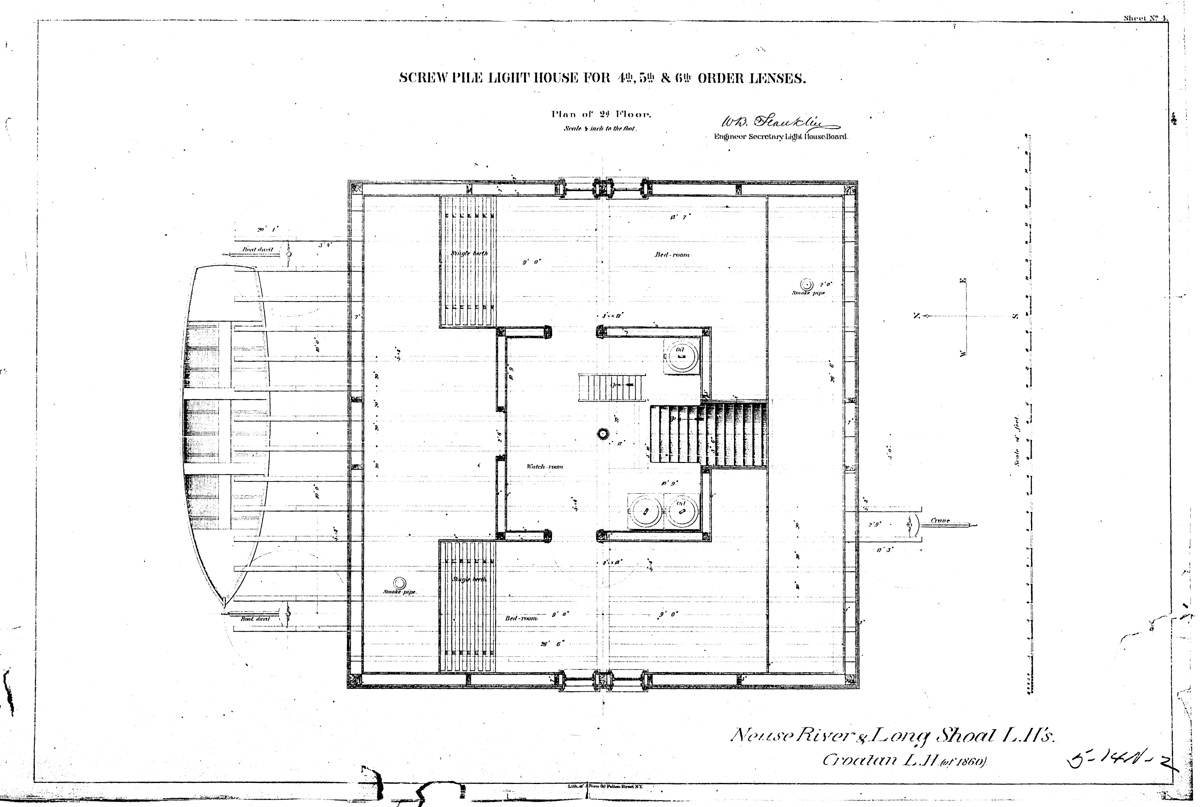
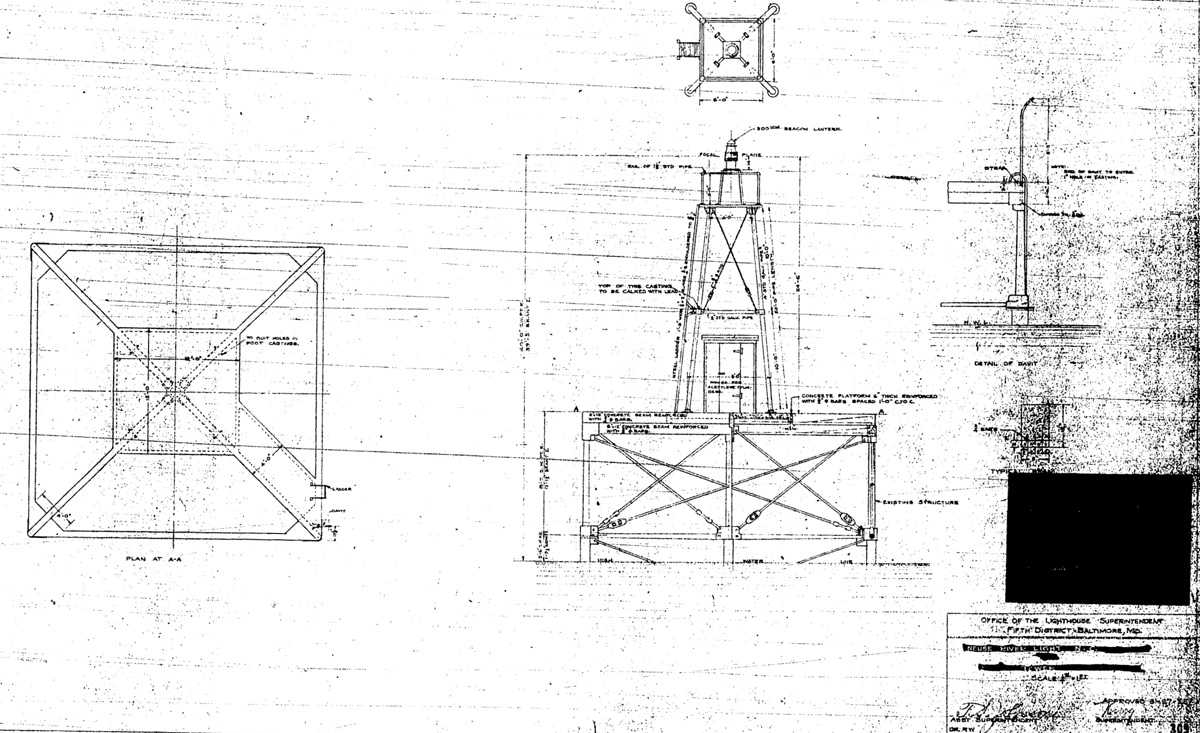
Photo Gallery
Photo Gallery
For centuries, the Neuse River has been one of North Carolina’s most important waterways. Rising in the Piedmont and flowing more than 275 miles southeast to Pamlico Sound, the river provided a vital transportation route for commerce, agriculture, naval stores, timber, and fishing. At its mouth, the Neuse enters the western end of Pamlico Sound, one of the largest lagoon estuaries in the United States. The entrance to the river, however, was complicated by extensive shoals that projected from both shores and narrowed a five-mile-wide opening to a navigable channel little more than two miles wide. Vessels bound for the port of New Bern, located some thirty-two miles upstream, had to negotiate these hazards before reaching the city’s wharves. To aid navigation through this critical entrance, Congress first authorized a light-vessel at the mouth of the Neuse River in 1827, beginning a navigational service that would continue for more than a century.
Congress appropriated $3,500 on March 2, 1827 for a light-vessel at Neuse River and provided an additional $6,500 on May 23, 1828. Like many early aids to navigation in the shallow waters of North Carolina, the lightship served as a floating lighthouse anchored near the edge of the shoals. While effective, light-vessels were expensive to maintain and vulnerable to storms and deterioration. By the mid-nineteenth century, the Neuse River lightship had become increasingly costly to operate. In 1855, the vessel had to be removed to New Bern for repairs, leaving its station on May 18 and returning on June 30 after being restored to service. A buoy with a white flag marked the vessel’s station during its absence.
The condition of the North Carolina light-vessel fleet became a growing concern to the Lighthouse Board. In its 1857 annual report, the Board observed that nearly all the district’s light-vessels were old and required frequent and expensive repairs. The Board strongly advocated replacing them with permanent screw-pile lighthouses similar to those already proving successful in the region. The Neuse River station was specifically identified as one of several locations where a screw-pile structure could be erected without significant engineering difficulties. Congress responded in 1859 by authorizing the Lighthouse Board to replace light-vessels with permanent pile-supported structures whenever deemed practical.
|
Construction of a screw-pile lighthouse at the mouth of the Neuse River was underway when the Civil War erupted in 1861. Like many federal projects in the South, work was interrupted by the conflict. The Lighthouse Board reported in 1862 that construction had been abandoned when the rebellion began but had since resumed and was rapidly approaching completion after Union forces regained control of the area.
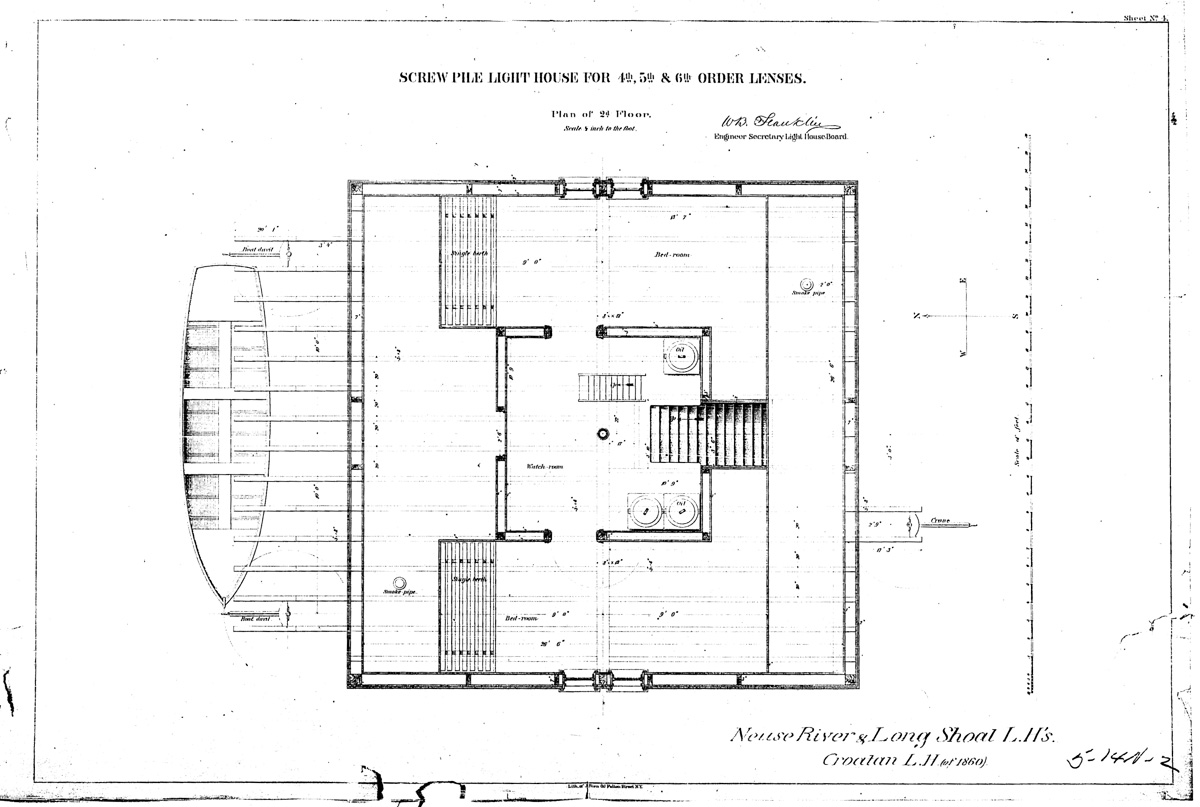
The new lighthouse was completed in the autumn of 1862 and represented a significant improvement over the old lightship. A Notice to Mariners issued in October 1862 described the structure as standing in six feet of water off the eastern end of Piney Point at the northern entrance to the river. Five iron screw piles, painted red, supported a rectangular wooden dwelling painted white. The lantern, painted red, stood at a focal plane 41 feet above the water. The station exhibited a fixed fifth-order Fresnel lens visible for eleven miles and illuminated 320 degrees of the horizon. The light was placed in operation on October 24, 1862. The station’s 500-pound fog bell aided navigation during periods of reduced visibility. The station occupied a strategic position on the shoal extending from Piney Point and quickly became an essential guide for vessels entering and leaving the river.
The first head keeper was Joseph Carrow, who received an annual salary of $500. Assisting him was Edward P. Morse, whose salary was $300 per year. Their duties included maintaining the Fresnel lens, sounding the fog bell when required, caring for the structure, and ensuring that the light remained visible every night. During the Civil War, however, the isolated station faced unusual security concerns. In May 1863, Lighthouse Engineer Jeremy Smith reported that Keeper Carrow had sought protection for the station. Commander Davenport had dispatched four African American guards to the lighthouse, each receiving twelve dollars per month and rations. At the same time, the Lighthouse Board requested military protection from Major General John G. Foster, commander of the Department of North Carolina. These measures reflected the unsettled wartime conditions that existed throughout eastern North Carolina and the importance placed on safeguarding navigational aids supporting Union operations.
Following the war, routine maintenance preserved the station. The iron foundation piles and wooden superstructure required constant attention in the harsh marine environment. In 1868, workers painted the ironwork, dwelling, and lantern, installed replacement glass, and supplied a new cooking stove. Additional repairs followed in 1869, including rust removal from the screw piles, repainting, lantern maintenance, and repairs to the station boat. The roof was replaced in 1875, and a major rehabilitation in 1883 renewed much of the structure’s aging wooden framework. New joists, posts, railings, decking, flooring, and stairway improvements left the station in excellent condition.
One of the station’s most notable keepers was John T. Shipp. After serving as assistant keeper beginning in 1890, Shipp was promoted to head keeper in 1893. His appointment briefly became entangled in politics. According to newspaper accounts, Secretary of the Treasury John G. Carlisle delayed Shipp’s appointment after Congressman Walter Branch raised concerns regarding political affiliations. The controversy arose following the dismissal of Keeper John W. Brabble (a Democrat), who had reportedly been absent from the station for extended periods without authorization. Despite the political dispute, Shipp (a Republican) ultimately received the appointment and would devote nearly three decades to the station.
During his long tenure, Shipp became known for his reliability and repeated acts of assistance to mariners. In 1913, he and Assistant Keeper Thomas D. Quidley protected government property during a severe storm that struck on September 2 and 3. Wind-whipped water inundated the first floor of the lighthouse, despite its being sixteen feet above the normal water level, and mountains of debris were piled up against the lighthouse foundation when the tide receded. Two years later, Shipp rescued the occupants of the disabled motorboat Clara S. during a heavy southwest wind, towing the vessel to safety. On September 8, 1915, he similarly assisted the disabled launch Susie Swindell, towing several men and children safely to port. In April 1916, Shipp aided the occupant of another disabled motorboat, bringing the mariner aboard the lighthouse, providing food and dry clothing, and sheltering him overnight. Such actions reflected the broader responsibilities of lighthouse keepers, who frequently served as rescuers in addition to maintaining navigational aids.
|
Another figure closely associated with Neuse River Lighthouse was Thomas D. Quidley. Born on Hatteras Island in 1882, Quidley became a lighthouse keeper after spending seventeen months aboard the tender Violet. In 1905, he became assistant keeper at Neuse River under Shipp. Like his superior, Quidley repeatedly rendered aid to vessels in distress. In 1912, he assisted those aboard the disabled schooner Mariah. In 1916, he aided the disabled freight boat Nelson. After Shipp was demoted to assistant keeper in 1916, Quidley assumed command of the station as head keeper.
Quidley continued the tradition of service established by his predecessor. In January 1917, he towed the heavily laden freight boat Olive to safe harbor after finding it leaking and in a dangerous condition. In July 1923, he assisted the disabled fishing vessel Elizabeth and Walter Hopkins its captain. After observing the boat displaying a signal at mast head, Keeper Quidley lowered the station motorboat and learned that the Elizabeth had rung its shaft off. Quidley towed the boat back to the lighthouse and gave the captain a warm supper. The Goodwin Fish Company sent a boat in search of the Elizabeth the next day was thankful to find Keeper Quidley had cared for the fishing boat and its captain.
Under his leadership, the station weathered the destructive ice winter of 1917–1918. In January, all of the lower Neuse River froze over solid. Keeper Quidley was on shore when the river froze, but he soon set out for the lighthouse pulling a boat, loaded with supplies and equipped with wheels, over the ice. When the ice broke up, massive chunks of ice, some over twenty-five feet high and a hundred feet in width, swept down the river. Two of the station’s five support pilings were broken. Congress appropriated nearly $400,000 in 1918 to rebuild and repair aids damaged in the Fifth Lighthouse District the previous winter. Four hundred tons of riprap stone were deposited beneath Neuse River Lighthouse to restore stability that had been lost when underwater bracing was carried away by the ice.
The final years of the station’s staffed era were marked by tragedy. In 1918, John F. Peele succeeded Shipp as assistant keeper. Peele served faithfully for thirteen years and became well known in the region. In March 1920, he aided the yacht Tressie, towing it to the station and repairing its engine.
On August 7, 1931, Peele’s life ended violently in one of the most sensational criminal cases reported in eastern North Carolina during the Depression era. While off duty, Peele gave a ride to a hitchhiker later identified as Ben “Brownie” Thompson, a former convict from Goldsboro. Accompanying them was Mary Cannon, who became the principal eyewitness. According to testimony presented at trial, Thompson demanded that Cannon leave the vehicle with him. When she refused and Peele declined to stop the truck against her wishes, an argument followed. Thompson then drew a pistol and shot Peele in the face. He fled the scene and was later apprehended after surrendering to authorities in Richmond, Virginia.
The murder generated extensive newspaper coverage throughout North Carolina. After a highly publicized trial in New Bern, Thompson was convicted of manslaughter in September 1931. Efforts by Congressman William F. Brunner to secure compensation for Peele’s widow and four young daughters proved unsuccessful because federal officials determined that Peele was not performing official duties when he was killed.
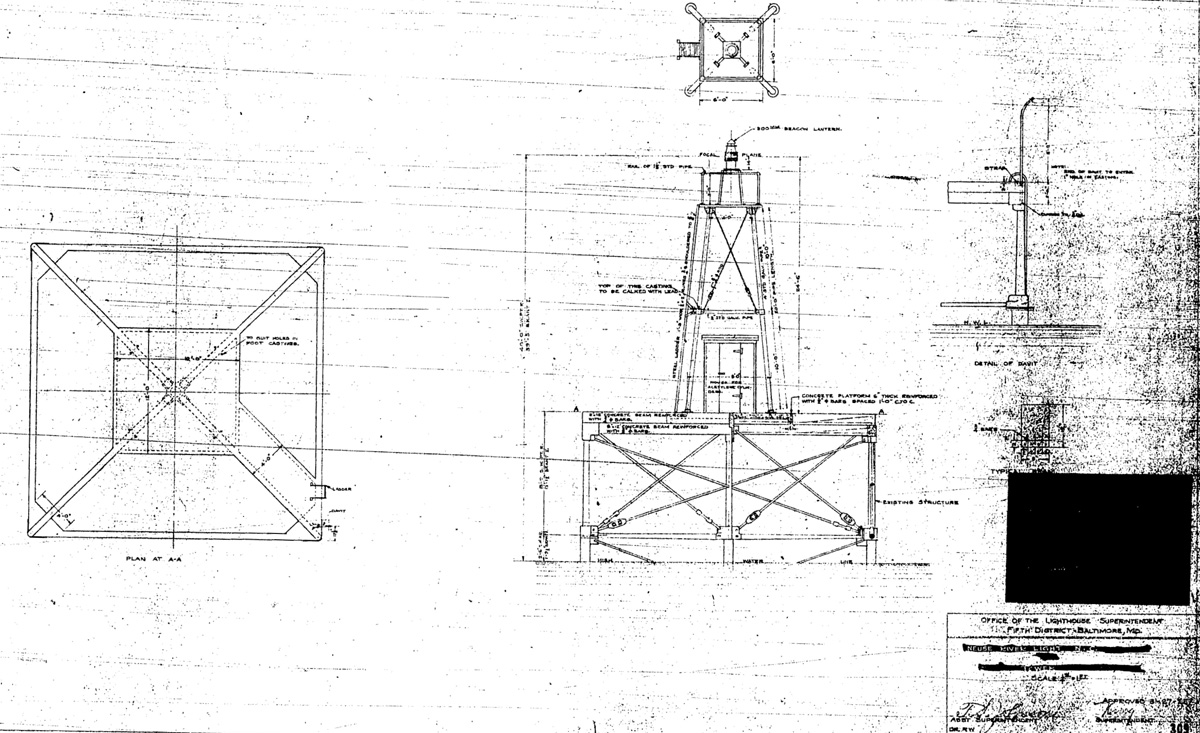
Even before Peele’s death, the era of the traditional screw-pile lighthouse was ending. In 1930, the Lighthouse Service replaced the familiar cottage-style structure at Neuse River with a steel skeleton tower displaying the light at a greater elevation. The old dwelling was removed, though keepers continued to maintain the light and other navigational aids along the river. Quidley remained responsible for these duties until 1933.
After leaving Neuse River, Quidley became keeper of Hobucken Light Station when it entered service in 1934. He retired in 1941 but remained closely associated with the waters of eastern North Carolina. A newspaper article celebrating his seventy-fifth birthday in 1957 described him as a lifelong waterman who never strayed far from the sea. Quidley lived to the remarkable age of ninety-eight, dying in New Bern in 1980.
Although the original lighthouse has long since disappeared, Neuse River Lighthouse played a critical role in the maritime history of North Carolina. For more than a century, first as a lightship and later as a screw-pile lighthouse, it guided vessels safely through the hazardous entrance to one of the state’s most important rivers. The dedication of keepers such as Joseph Carrow, John T. Shipp, Thomas D. Quidley, and John F. Peele ensured that mariners could navigate the waters leading to New Bern and the interior of eastern North Carolina. Their service remains an enduring chapter in the history of the Lighthouse Service and the navigation of Pamlico Sound.
Keepers:
References